
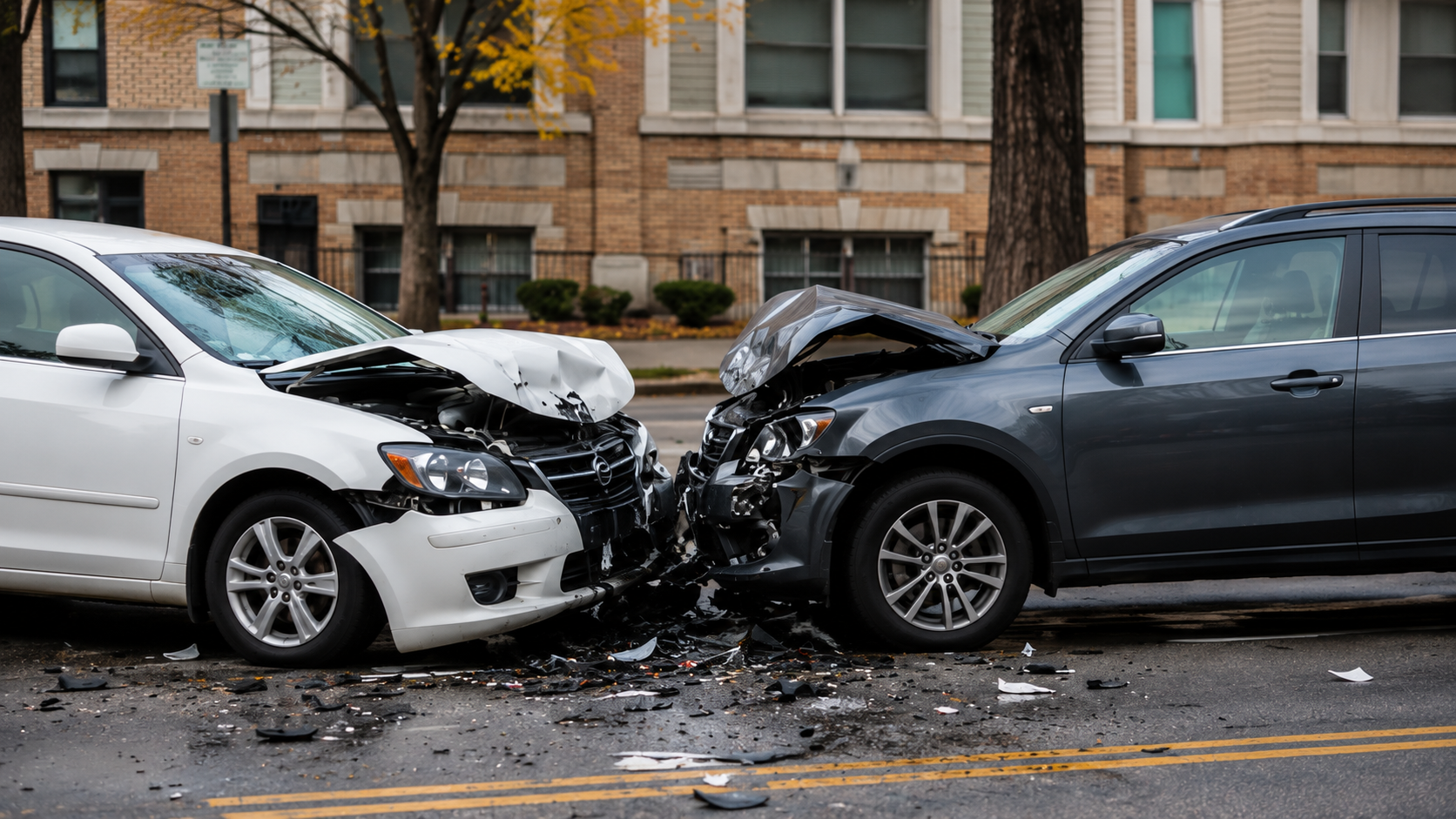
After a wrong-way collision, injured people and families who have lost someone may be left trying to understand how it happened and whether anyone besides the wrong-way driver could be responsible.
Drivers and passengers traveling in the proper direction may have little time to recognize the danger or respond. Even when the wrong-way driver appears to be the obvious cause, a serious Pennsylvania auto accident can raise broader questions about what caused the wrong-way travel and whether additional insurance coverage is available.
Answering those questions can require a review of the driver’s actions, available recordings and electronic records, the vehicle, the roadway, and the potential involvement of an employer or another business.
What Can Cause a Wrong-Way Crash in Pennsylvania?
An investigation into responsibility usually begins with the actions of the driver traveling in the wrong direction. Driving against traffic can provide significant evidence of negligence, but the investigation should also examine where the driver entered the highway and what happened beforehand.
Wrong-way driving can involve alcohol or drug impairment, distraction, fatigue, confusion at an interchange, a sudden medical emergency, or a mechanical problem. A driver unfamiliar with the area may also miss a warning or enter the wrong ramp, particularly at night, in poor weather, or where several entrances are close together.
Whether the driver was working at the time can also affect which parties and insurance policies require review.
A July 2026 crash on the Mon/Fayette Expressway shows why it is important to investigate how a driver ended up traveling in the wrong direction. According to the Mon Valley Independent, a driver exited Interstate 70 and traveled north in the southbound lanes of PA Route 43 before colliding with a southbound vehicle near the Donora exit.
Identifying what led to the wrong-way travel can help clarify whether responsibility extends beyond the driver.
What Evidence Can Show How a Wrong-Way Crash Happened?
Determining how a wrong-way crash happened often requires information from several sources. No single police report, recording, or physical detail necessarily provides the complete picture.
Relevant evidence can include:
- Police reports, 911 records, photographs, and witness statements
- Highway, toll facility, business, or dash-camera footage
- Cellphone records, toxicology results, and information about the driver’s activities before the crash
- Electronic vehicle data and mechanical inspections
- Photographs and records concerning signs, lighting, markings, or prior wrong-way entries
A crash reconstruction can also help establish vehicle speeds, braking, points of impact, and the time each driver had to react.
Together, this evidence can help explain how the vehicle entered the highway in the wrong direction and what occurred before the collision. It can also show whether impairment, work-related driving, a vehicle problem, or a roadway condition requires further investigation.
At Dallas W. Hartman P.C., we assess whether the facts support extending the inquiry beyond the wrong-way driver.
Can Other Parties Share Responsibility for a Wrong-Way Crash?
If the driver was performing work duties, the employer and its commercial insurance coverage may require review. Relevant questions can include whether the driver was acting within the scope of employment and whether the employer used reasonable care in hiring, training, and supervision.
If alcohol was involved, a licensed establishment can face liability under limited circumstances if it served the driver when the driver was visibly intoxicated and that service contributed to the crash. Evidence that the driver drank at a particular business, by itself, is not enough to establish responsibility.
A vehicle owner’s conduct can also require examination if the owner knew or should have known that the person entrusted with the vehicle was impaired, inexperienced, reckless, or otherwise unable to drive it safely.
If physical evidence points to a mechanical failure, the investigation can consider whether a defective component, negligent repair, or inadequate maintenance affected the driver’s control of the vehicle. Depending on the evidence, a manufacturer, repair facility, maintenance provider, or another responsible business may require examination. Preserving the vehicle promptly can help keep it available for inspection before it is repaired, altered, sold, or destroyed.
Can Roadway Conditions Contribute to a Wrong-Way Crash?
Driver conduct is central in most wrong-way collisions.
The roadway can also require examination when the evidence raises questions about missing or obscured signs, faded pavement markings, inadequate lighting, confusing ramp configurations, temporary traffic controls, or prior wrong-way entries at the same location.
A roadway-related claim requires more than showing that a crash occurred near a particular ramp or interchange. The evidence must connect the roadway condition to the collision, and Pennsylvania law must allow a claim against the entity responsible for that condition.
Claims involving PennDOT, the Pennsylvania Turnpike Commission, a municipality, or another government entity follow different rules from claims against private drivers and businesses. Pennsylvania limits the circumstances in which public entities can be held liable, and some claims are subject to a written notice requirement within six months. That notice requirement is separate from the deadline for filing a lawsuit. The applicable immunity rules, notice requirements, exceptions, and filing deadlines depend on the entity involved and the facts of the claim.
For those reasons, potential roadway claims require prompt, fact-specific review.
What if a Wrong-Way Driver Does Not Have Enough Insurance?
Determining who caused the crash is only one part of the claim. It is also important to identify all available insurance, especially when the responsible driver’s liability limits may not be enough to address the losses caused by the collision.
A coverage review can include policies for the driver, the vehicle owner, an employer, or another responsible business. It can also include underinsured motorist coverage.
Pennsylvania insurers must offer underinsured motorist coverage, but purchasing it is optional. If the injured person selected that coverage and the policy applies, it can help when the responsible driver has insurance but not enough to cover the resulting losses.
Vehicle ownership, employment relationships, who lived in the insured household, policy terms, and any coverage selections or waivers can affect which policies apply.
Reviewing the available policies can show whether the driver’s liability insurance is the only source of coverage or whether another policy also applies.
What Rights Do Families Have After a Fatal Wrong-Way Crash?
When a wrong-way crash is fatal, surviving family members can face grief, unexpected expenses, lost support, and unanswered questions. Pennsylvania recognizes wrongful death and survival actions, but they serve different purposes.
A wrongful death claim generally addresses losses suffered by the deceased person’s spouse, children, or parents. Depending on the circumstances, recoverable damages can include qualifying medical, funeral, and estate-administration expenses, lost financial contributions, and the value of the services, support, comfort, and guidance the person provided.
A survival action preserves the claim the deceased person could have pursued had they lived. Depending on the evidence and the applicable damages calculations, it can include conscious pain and suffering, losses associated with the person’s earning capacity, and other damages belonging to the estate. The estate’s personal representative pursues the survival action.
Wrongful death and survival actions involve different losses, beneficiaries, and procedural requirements, so each must be evaluated separately.
Why Should Evidence Be Preserved Quickly?
After a serious or fatal collision, injured people and families understandably focus on medical care, funeral arrangements, work, and immediate family needs. Meanwhile, video can be overwritten, vehicles can be repaired or destroyed, roadway conditions can change, and witnesses can become harder to locate.
Early investigation can help preserve available records and physical evidence and identify the people, businesses, or agencies that hold relevant information. It can also help clarify available insurance and determine whether a special notice requirement or another legal deadline applies.
That broader review can reduce the risk of overlooking important evidence or time-sensitive legal issues.
Talk With a Western Pennsylvania Injury Attorney About a Wrong-Way Crash
At Dallas W. Hartman P.C., our Pittsburgh personal injury attorneys represent people injured in serious motor vehicle collisions and families affected by fatal crashes throughout Western Pennsylvania. We investigate how the collision occurred, take steps to preserve available evidence, evaluate who may be legally responsible, and examine which insurance policies could apply.
To discuss a wrong-way collision or another serious Pennsylvania accident, contact our firm for a free consultation.
Disclaimer: This article is for informational purposes only and does not constitute legal advice or create an attorney-client relationship. The application of Pennsylvania law depends on the specific facts and circumstances. Contact an attorney directly for advice about a particular matter.