
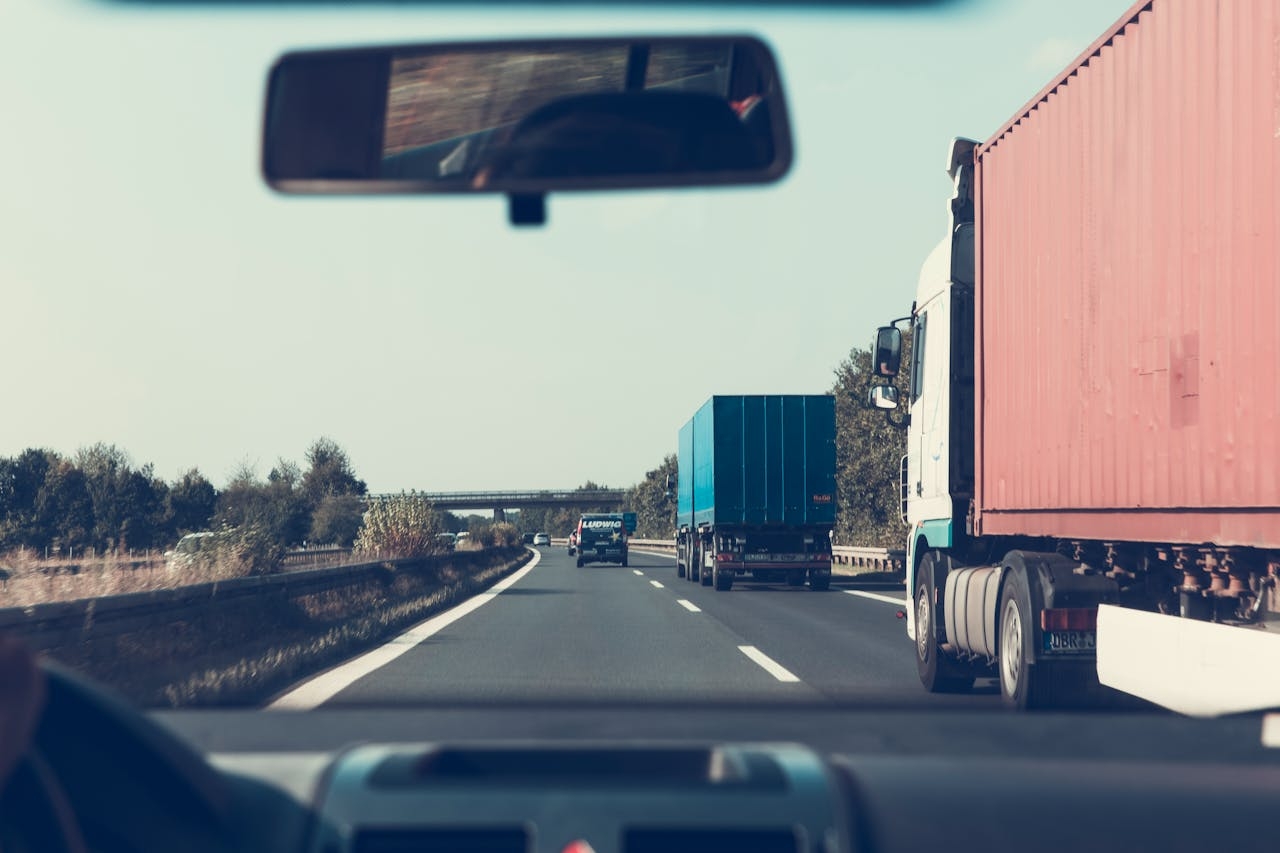
After a crash with a commercial truck or other business vehicle, questions can come up almost immediately. You know the other driver hit you, but you may not know whether their personal insurance applies, whether the company can be part of the claim, or who will be responsible for your medical bills, vehicle damage, missed work, and other losses.
Maybe the vehicle had a company logo. Maybe it was a delivery van, work truck, service vehicle, company car, box truck, utility vehicle, or another business vehicle. Maybe the driver said they were making a delivery, heading to a job site, or driving for work. Then, before you even understand the full extent of your injuries, a company representative or insurance adjuster may start asking questions.
That can leave you wondering: Is this only a claim against the driver, or can the company also be responsible?
At Dallas W. Hartman P.C., we understand how stressful this can feel. You are trying to get medical care, deal with pain, arrange transportation, repair or replace your vehicle, and keep up with bills. At the same time, the business, its insurer, or a claims representative may already be gathering information and evaluating the claim from their own perspective. When a commercial vehicle is involved in a crash, the answer to “who pays?” depends on what the driver was doing, how the vehicle was being used, what insurance coverage applies, and what the evidence shows.
Why a Commercial Vehicle Accident Can Be More Complicated Than a Regular Car Crash
After many car accidents, the claim centers on the drivers involved and their personal auto insurance policies. A commercial vehicle accident can be different because the driver may have been working, the vehicle may have belonged to a company, and a commercial insurance policy may be involved.
The driver may have been making deliveries, traveling between job sites, carrying equipment, visiting a customer, or driving as part of their job. The claim may also involve a claims administrator, a separate vehicle owner, or more than one company connected to the vehicle.
That matters because the person behind the wheel may not be the only party connected to the crash. If the driver was performing work-related duties when the collision happened, the employer, the company’s commercial insurance coverage, or both may become part of the claim.
That does not mean a business is automatically responsible every time one of its vehicles is involved in a crash. The facts still matter. For injured people in Pittsburgh and Western Pennsylvania, the important point is that the claim should be reviewed carefully before anyone accepts the company’s explanation or assumes only the individual driver can be held accountable.
In Pennsylvania, your own auto insurance may also provide certain first-party medical benefits after a crash under the Commonwealth’s Motor Vehicle Financial Responsibility Law, even when another driver was at fault. That does not prevent you from pursuing a claim against the at-fault driver, employer, or other responsible parties when the facts support it.
Was the Driver Working When the Crash Happened?
One of the most important questions after a commercial vehicle crash is whether the driver was acting within the scope of employment. In other words, was the driver doing something connected to the job when the crash occurred?
For you, the important question is what the driver was doing when the crash happened. If they were making a delivery, traveling between appointments, driving to a job site, transporting tools, picking up materials, or running an errand for the company, we need to look closely at whether the employer should be part of the claim.
The answer is not always obvious. A driver may be in a company vehicle but on a personal errand. A business may argue that the driver was off the clock, commuting, taking a detour, using the vehicle outside company rules, or doing something the business did not authorize.
That is why a company logo alone does not answer the whole question. It is a clue, not the conclusion. The real issue is what the driver was doing at the time of the crash and whether that conduct was connected to the company’s business.
Why the Insurance Claim Can Get Confusing Quickly
When a commercial vehicle is involved, you may hear from more than one insurance representative. The claim could involve the driver’s insurer, the business’s commercial insurer, a third-party claims administrator, or a separate company that owns, leases, maintains, or manages the vehicle.
For someone who is hurt, that can feel overwhelming. One person may be asking about vehicle damage. Another may want a statement about how the crash happened. Someone else may ask about your injuries before you have even finished medical treatment. It can be difficult to know who is calling, what they are responsible for, and whether they are protecting your interests or the insurance company’s.
The first insurance call does not always give you the full picture. The person calling may sound helpful, but they are usually gathering information for the insurance company. Before giving a recorded statement, signing a release, or accepting a quick settlement, it is wise to understand who the adjuster represents and what your claim may involve.
What Evidence Can Help Show Who Is Responsible?
Commercial vehicle crashes often depend on records that the injured person does not have. Some of the most important information may be in the possession of the business, the insurer, or another company connected to the vehicle.
Evidence that can matter includes:
- The driver’s work schedule
- Delivery records or dispatch logs
- GPS or route information
- Dashcam footage
- Vehicle ownership records
- Commercial insurance information
- Maintenance and inspection records
- Driver training or qualification records
- Company safety policies
- Cell phone or communication records
- Photos of the vehicle, company name, license plate, and damage
- Witness statements
- Police reports
This evidence helps answer the questions that matter most after the crash. Was the driver working? Was the trip business-related? Was the driver rushing between jobs? Did the company know about a vehicle problem? Was the driver trained to operate the vehicle safely? Did another business own, lease, load, or maintain the vehicle?
Those questions matter because a commercial vehicle accident is not always just about one driver’s mistake. The claim can also involve company practices, vehicle maintenance, driver supervision, delivery pressure, route planning, or insurance coverage that would not exist in a typical personal car accident claim.
Why Acting Quickly Can Protect Your Claim
After a crash, important evidence can become harder to find. Video can be overwritten. Vehicles can be repaired. Dispatch records can become harder to access. Driver schedules can become harder to confirm. Witnesses can become more difficult to reach.
At the same time, the company and its insurer may already be moving. They may inspect the vehicle, speak with the driver, gather internal records, and develop their position on how the crash happened. If you are injured, you should not have to rely only on the version of events created by the business or its insurer.
Acting quickly can help preserve the information needed to determine what happened, who was responsible, and what coverage is available. It can also help us push back if the insurance company frames the crash in a way that minimizes your injuries or shifts blame onto you.
What if the Company Denies Any Responsibility?
After a crash, a company may deny responsibility or dispute whether the driver was working. The business may claim the driver was not working, was acting outside company policy, or was using the vehicle for personal reasons.
Sometimes that is true. Other times, the records tell a different story.
For example, a driver may say they were off the clock, but delivery records, GPS data, job assignments, route information, text messages, or dispatch logs could show they were still doing work-related tasks. A company may say the driver acted alone, but maintenance records, hiring practices, training records, or company policies could raise additional questions.
For an injured person, the important point is simple: do not assume the company’s first explanation is the final answer. If you were hurt by someone who appeared to be working, driving a marked vehicle, making a delivery, or operating a business vehicle, the company’s role should be examined carefully.
What Should You Do After Being Hit by a Commercial Vehicle?
Your first priority is your health. Get medical care as soon as possible, even if you are unsure how badly you are hurt. Pain can worsen after the adrenaline fades, and medical records can help connect your injuries to the crash.
If you can do so safely, take photos of the commercial vehicle, including any company name, logo, license plate, vehicle number, and USDOT number if visible, as well as damage, road conditions, and the surrounding scene. Get the driver’s name, employer information, insurance information, and witness contact information.
When speaking with the police, explain what you observed. If the driver said they were working, making a delivery, driving between job sites, or using a company vehicle, tell the officer so that information can be documented.
You should also be careful if a company representative or insurance adjuster contacts you. A quick settlement offer may not reflect the full value of your medical care, lost income, pain, future treatment, or long-term limitations. A recorded statement can also create problems if you do not yet know the full extent of your injuries.
Do Not Let the Business or Insurer Decide the Value of Your Claim
After a commercial vehicle accident, the business and its insurer may move quickly to protect themselves. You deserve someone focused on protecting you.
A strong claim requires more than proving that a crash happened. It requires identifying the responsible parties, determining whether the driver was working, reviewing the insurance coverage, preserving records, documenting your injuries, and showing how the crash has affected your life.
At Dallas W. Hartman P.C., we know how to investigate serious vehicle accidents and handle claims involving companies and insurers that are protecting their own financial interests. Our goal is to protect you from being pressured, blamed, or underpaid while you are trying to recover.
Injured in a Commercial Vehicle Accident in Pittsburgh or Western Pennsylvania?
If you or your loved one was hit by a delivery van, work truck, company car, service vehicle, utility truck, box truck, or another business vehicle, you do not have to handle the claim alone. You may be facing medical bills, missed paychecks, pain, transportation problems, and the stress of not knowing who is responsible.
At Dallas W. Hartman P.C., we help injured people across Pittsburgh and Western Pennsylvania after serious vehicle accidents. We can review what happened, investigate whether the driver was working, preserve important evidence, handle communications with the insurance company, and pursue the compensation that may be available under Pennsylvania law.
If you were hit by a commercial vehicle, do not let the claim be valued before the facts are fully reviewed. Contact us today to schedule a free consultation through our online contact form. Your initial consultation is free, and you pay no attorney’s fees unless we obtain compensation for you. Case costs and expenses will be explained clearly before you decide whether to hire us.
Disclaimer: The articles on this blog are for informative purposes only and are no substitute for legal advice or an attorney-client relationship. If you are seeking legal advice, please contact our law firm directly.